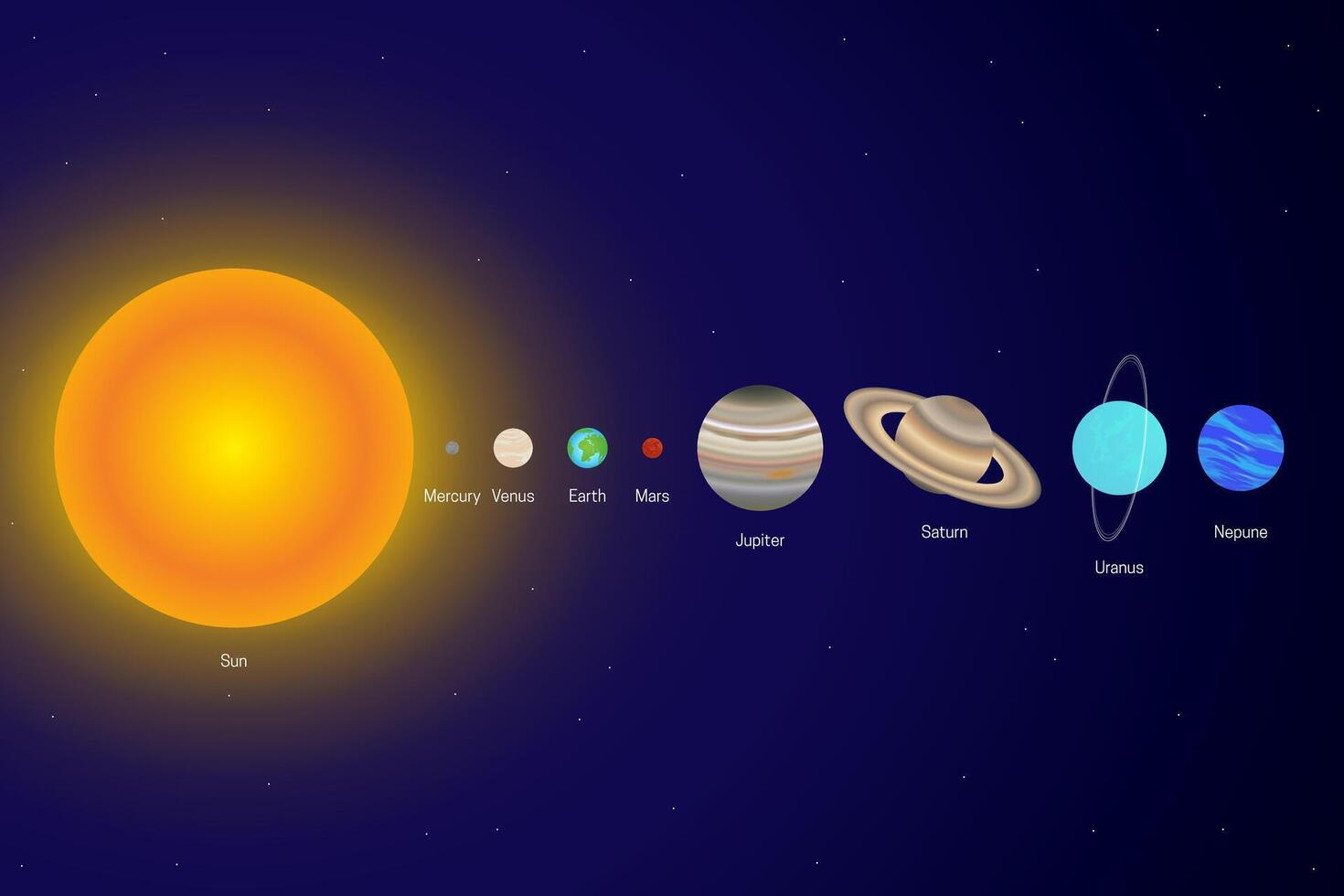
So I was thinking about something as I fell asleep last night. I was reading about the environmental conditions of Venus—surprise: it’s incredibly hazardous and unsuitable for life. At sea level, the atmospheric pressure is about 93x that of Earth, and the temperature averages around 850 °F. Obviously any human that found themselves transported to the surface of Venus would be immediately obliterated. But this begs the question—what planets in the solar system are the most hospitable to human life? The least?
Thus I came up with an idea for a challenge. If I hypothetically had access to unlimited materials and a year’s worth of time, how difficult would it be for me to build a contraption that would allow me to survive on each planet in the solar system for 24 hours? I’m going to step through my process of hypothetical survival and rank each planet in terms of its survivability.
Ground rules
A few basic rules are in order.
- It’s assumed that I can eventually build each contraption.
Obviously I know nothing about building random machines. However, with unlimited access to materials (including money) and a full calendar year, I would be able to contract with different manufacturing companies to theoretically construct whatever I wanted. We could also just assume that I had a giant 3D printer that could spit out whatever machine I wanted. Either way, this is the least interesting part of the challenge so I’m just going to make it a given.
- The contraptions need to be as simple as possible.
It’s totally uninteresting to just surround myself with a 1000-foot thick ball of steel and plop it on the surface of some random planet (According to the heat equation a 1000-foot thick ball of steel will definitely maintain a stable interior temperature for 24 hours. However, we can do better. The thermal diffusivity chart on wikipedia suggests that steel is a rather poor medium for our giant ball. Rubber actually fares really well, followed by glass). Therefore, the challenge is as interesting as possible if our goal is to make a simple, exposed contraption.
- My contraption and I will be teleported to surface level of the planet (if it has a surface)
Similarly to the last point, it’s kind of cheating to say I can just float 5 miles above the surface, where no storms/gravity/temperatures can reach me. At the logical extreme, what’s to stop me from just orbiting a planet for 24h? This rule ensures I have to at least survive at a reasonable altitude. If the planet is a gas giant like Jupiter, we’ll discuss what seems fair as we get to it.
Ok, those are the rules! I’ll go through the ranking from most survivable to least survivable.
1. Mars
Perhaps the biggest shock of this entire ranking is that Earth isn’t the most survivable planet. The crux of the matter boils down to this: Earth has surface water, while Mars does not. I have to account for the fact that about 71% of Earth’s surface is covered with water, so if I’m teleported to a random location at surface level there’s a good chance I end up in one of the oceans. Mars, on the other hand, is predictable. Most of its surface is dry, cold, and rocky, which makes it much simpler to figure out how to survive. NASA has developed theoretical suits for walking on Mars and they have oxygen tanks rated for longer than 24 hours, so all I would need to do is contact NASA to build one for me and train me how to use it. Not only is it totally survivable (barring suit malfunctions), but this scenario might end up being the coolest trip of my entire life: walking around Mars and exploring the red landscape for 24 hours. Unbelievably, the biggest issue might be how I would use the bathroom.
2. Earth
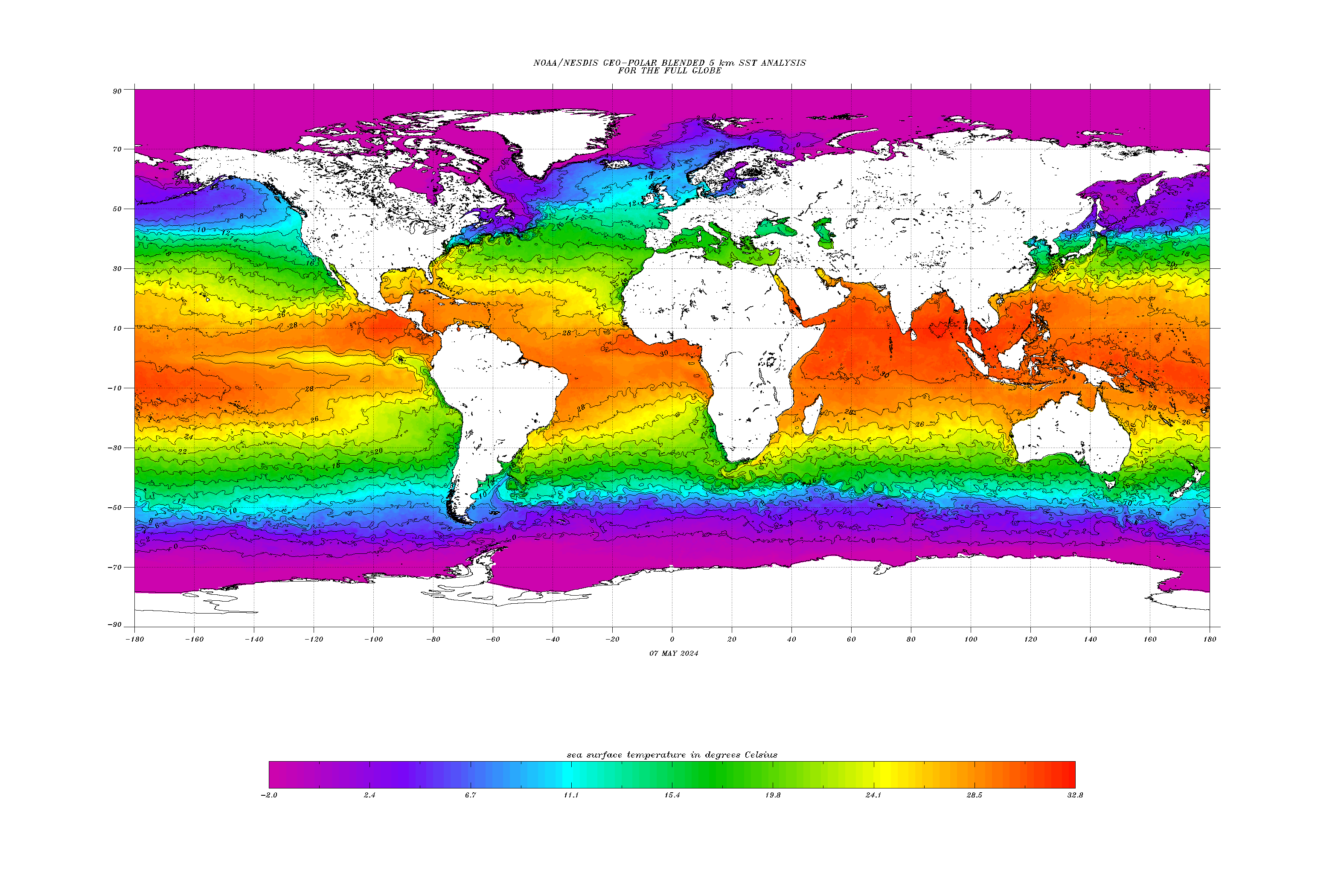
Mother Earth really let us down here. If I could pick and choose the location I’m being teleported to, there would be no problem at all. Factoring for the oceans creates some problems. My contraption could be a cruise ship, but is this necessary? I think we can do this without even needing a boat of any sort. The SOLAS standards for life jacket buoyancy require them to lose less than 5% buoyancy over the span of 24 hours, so we’re all good there. The bigger threat would be the temperature. A large percentage of the ocean has temperatures below freezing, so I would need to bundle up. We could get technical with the temperature ratings of different wetsuits, but I think there’s an easier solution.
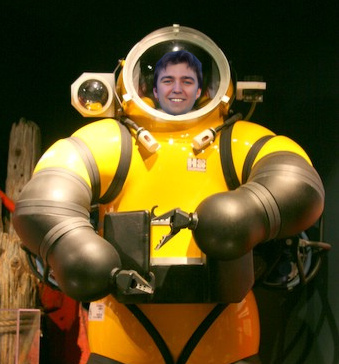
An atmospheric diving suit has just about everything I’d need to survive 24h in the ocean: thruster maneuverability, a maintained internal atmospheric pressure/temperature, and a 24-hour emergency backup oxygen tank. So, I’d just secure a bunch of life jackets to one of those suits. If the lifejackets fail, I should be able to jet around with the thrusters to avoid getting too deep. I can also use my year of time to learn how to maneuver my suit. And in the off-chance I get teleported to land, I can just walk around in my modern suit of armor to avoid any natural predators. Easy survival.
3. Mercury
The World Sauna Championships was an annual “heat-endurance” event held in Finland from 1999 to 2010. Each year, contestants would sit in an extremely hot sauna until they gave up, with the winner being the last person to be able to walk out of the sauna without outside assistance. Temperatures typically started at 110°C. In 2010, the event was permanently cancelled after a competitor unfortunately passed away due to complications from extreme heat. He had sat in the sauna for only 6 minutes. The moral? Surviving extreme heat is really difficult.
This is the problem we run into with Mercury. Thanks to its nonexistent atmosphere and slow spin, the side of the planet facing away from the sun is extremely cold (-170°C) while the side facing the sun is extremely hot (420°C). A simple space suit isn’t going to cut it. Most of the suits designed for Mars or other space exploration are designed with insulation from cold in mind, not insulation from pure heat.
Could a Honda Pilot be insulated enough to withstand 420°C for 24 hours? If so I could be teleported to Mercury in my car. I stumbled across a website advertising thermal control paint for spacecraft and satellite applications, which has to have the smallest target audience of any marketing website I’ve ever seen. They report that their thermal control paint, AZW/LA-II, operates in temperatures ranging from -180°C to 1400°C, which is perfect for our Mercury use! On the website, they also describe the important components of an overall temperature control system, including radiator surfaces, heat pipes, and thermal isolation systems. This company seems like they know what they’re talking about. So, all I’d have to do is contract with them to get my Pilot outfitted with the necessary components of an interstellar heat reduction system, and I’d be good to go! I could sit in my space suit for oxygen and for protection from the near-vacuum atmospheric conditions, and hang tight.
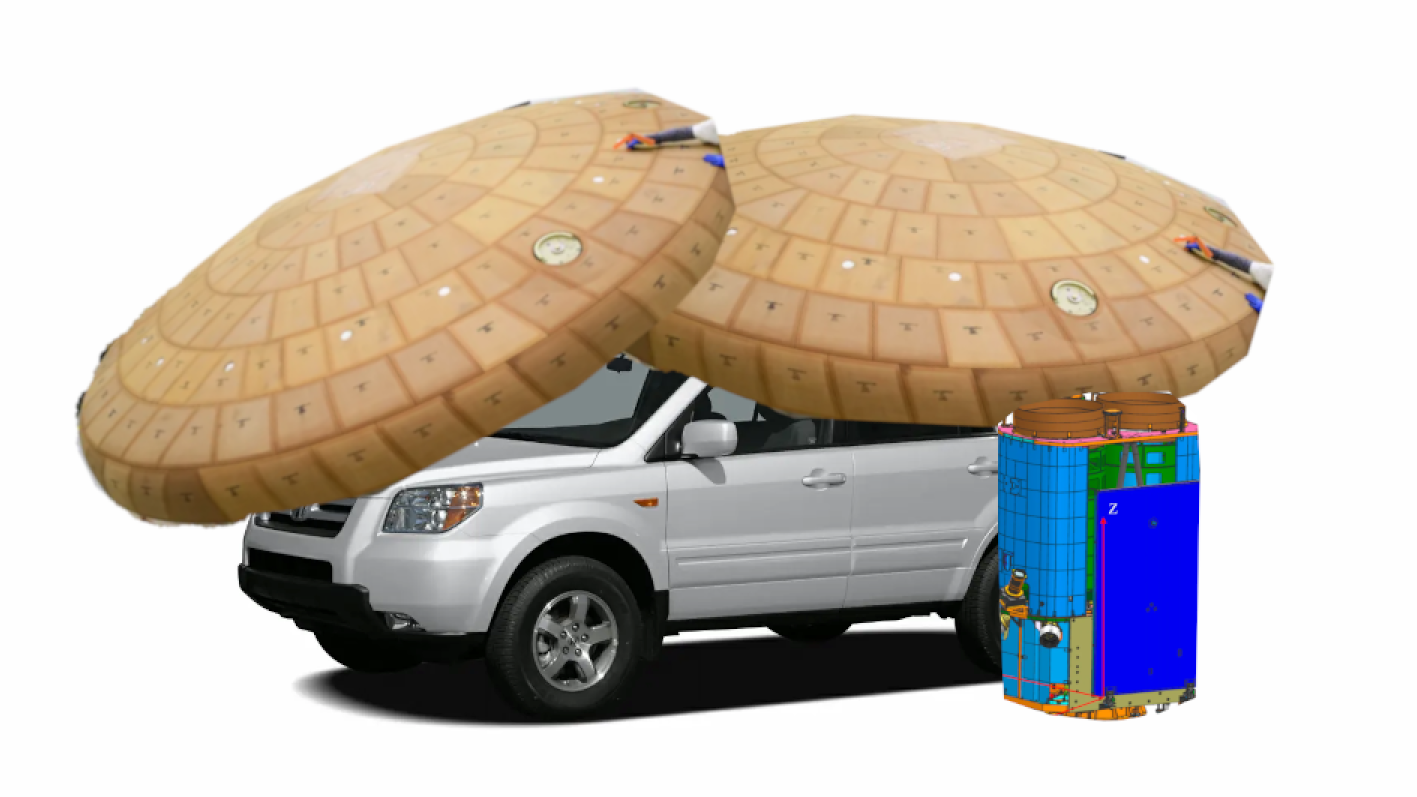 My Pilot, complete with thermal shields, reflective coating, and a heat sink
Also, when reading the wikipedia page for Mercury I saw this:

Better start selling those stocks.
4. Venus
Now we’re getting really tough. Venus is the planet I mentioned in the introduction. As previously stated, Venus is very hot, albeit not as bad as Mercury. Surface temperatures are around 460°C, which is theoretically survivable in our heat-resistant Pilot. The problem(s) are twofold: the atmospheric pressure and the weather conditions.
Venus’ atmosphere is very dense—its pressure is about 93 times higher thatn Earth’s atmosphere at surface level. At these pressures, our current contraption will be instantly crushed. We might need to abandon the Pilot.
The Deepsea Challenger is a submersible designed (with notably fewer critics than Titan had) to withstand the pressure at the deepest parts of the ocean (depths of around 11km). According to Wikipedia, the pressure on Venus is equatable to the pressure of a water depth on Earth of about 1km. So, this submersible is well above the threshold for pressure survivability. As a bonus, it comes with air tanks, so I don’t need to worry about sitting in a space suit for the whole day. We could equip it with all the aforementioned heat shielding and be good.
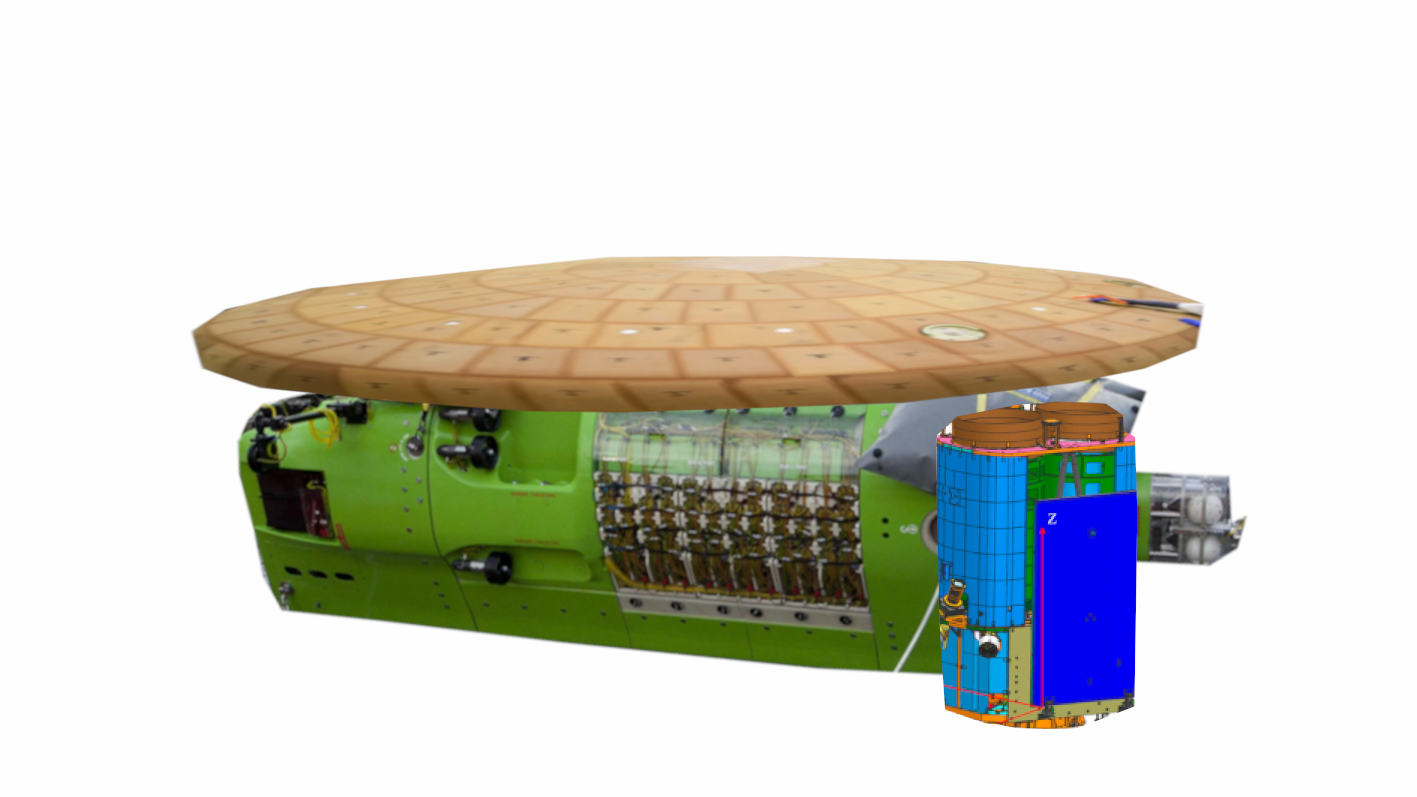
The weather might be the bigger problem. According to the website for our thermal control coating, the coating is susceptible to degradation from radiation, atomic oxygen, thermal cycling, and micrometeoroid impacts. The first three aren’t really a problem on Venus but the last one is an issue. Any surface exposed to the Venus weather will be constantly buffeted by rocks and other debris thanks to wind speeds of up to 300km/h. Also, it rains acid. Venus is a lovely place.
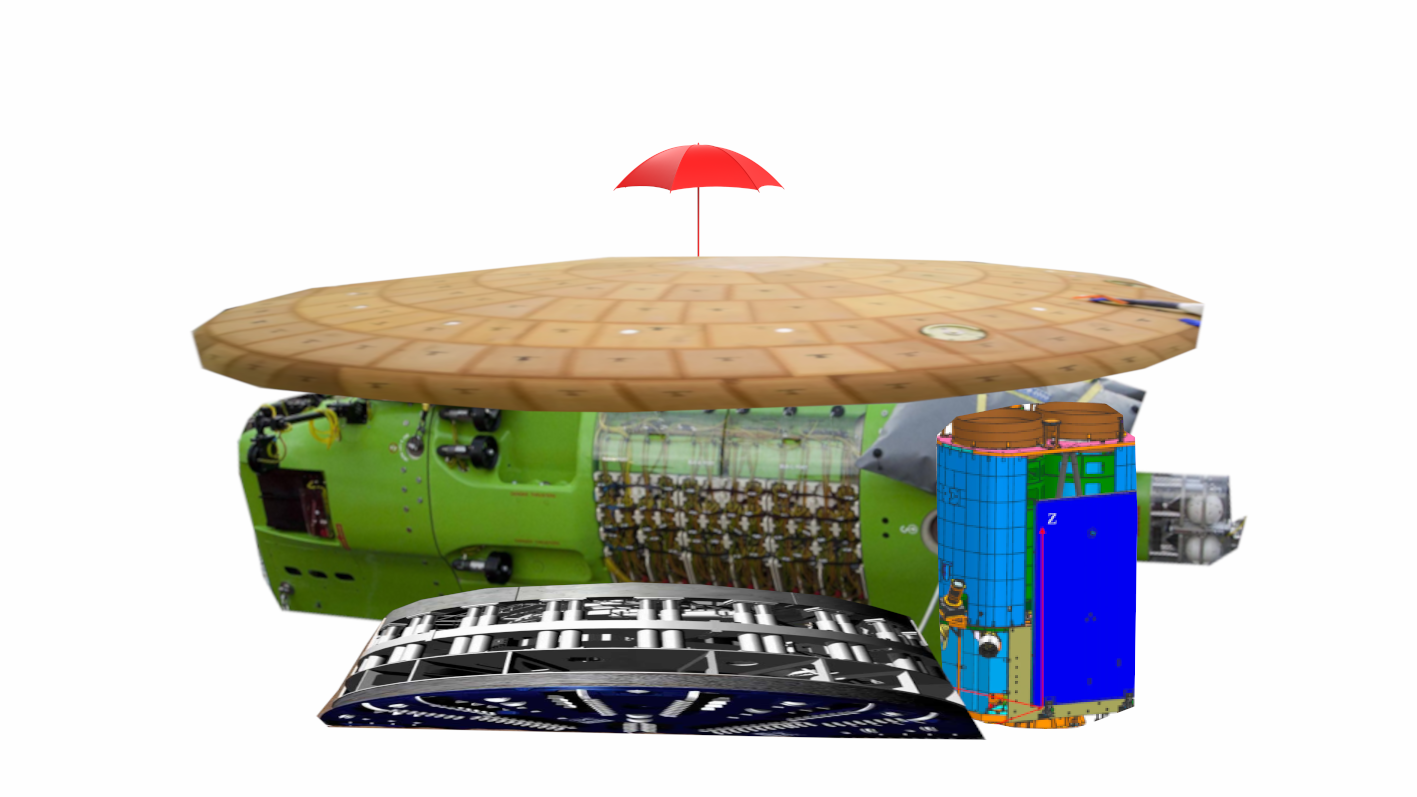
One solution is to encase our contraption in a weather resistant dome shield. I have a cooler solution in mind.
A tunnel boring machine is a large machine used for quickly drilling large tunnels. They’re commonly used to excavate large amounts of earth for subway systems or traffic tunnels.
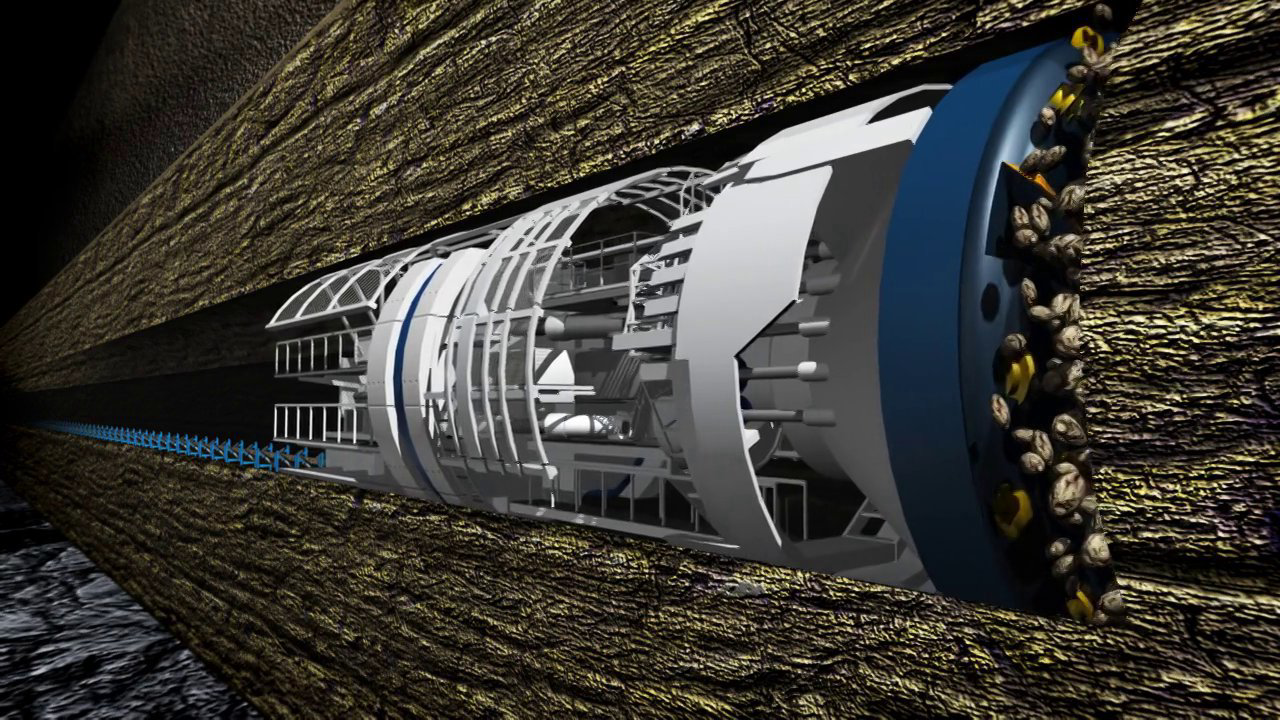
If we put one on the bottom of the Deepsea Challenger, could we dig ourselves into the ground quickly enough to escape the weather? Soil-tunneling machines can excavate at a rate of around 200m/week. This equates to 28.5m/day, and about 1.2 meters per hour. The dimensions of the submersible are 2.3m (7.7 ft.) X 1.7m (5.5 ft.) X 8.1m (26.6 ft.). If we laid it on its side, it would be dug underground in less than two hours with an industrial boring machine. Of course, the top would still be exposed, but we could just limit our weather shield to a disk at the top. I think this idea’s a winner.
5. Uranus
To no one’s surprise, the Gas Giants rank last. The final four planets have no defined surface, so it’s hard to determine what altitude I’d get teleported to. For each, I think it’s fair to teleport to the part of the atmosphere which corresponds to a pressure of about 1 Earth atmosphere. You may kvetch and say “well, that’s ignoring pressure! No fair!” and to that I say “wait and see how bad these planets get.” We’ll speed through these, as the contraption is very similar for each.
All of these planets will kill you. All feature astronomical wind speeds, massive storms, extreme radiation, huge temperature fluctuations, and no stable surface. These rankings are pretty much determined by how easy it would be to fly a plane in their atmosphere. In researching for this post, I found an XKCD that helpfully described the flight conditions for all the planets (there’s always a relevant XKCD). I’ll be agreeing with some of the rankings, but not all.
Uranus is the calmest of the bunch, relatively speaking. At 1 atm (atmosphere), wind speeds range from 360 to 180 km/h, which is very very fast. There is relatively little radiation compared to the other gas giants—about 100 times weaker than Jupiter, but we still need the lead walls. The gravity of Uranus is around .9g, so flying/floating is still difficult.
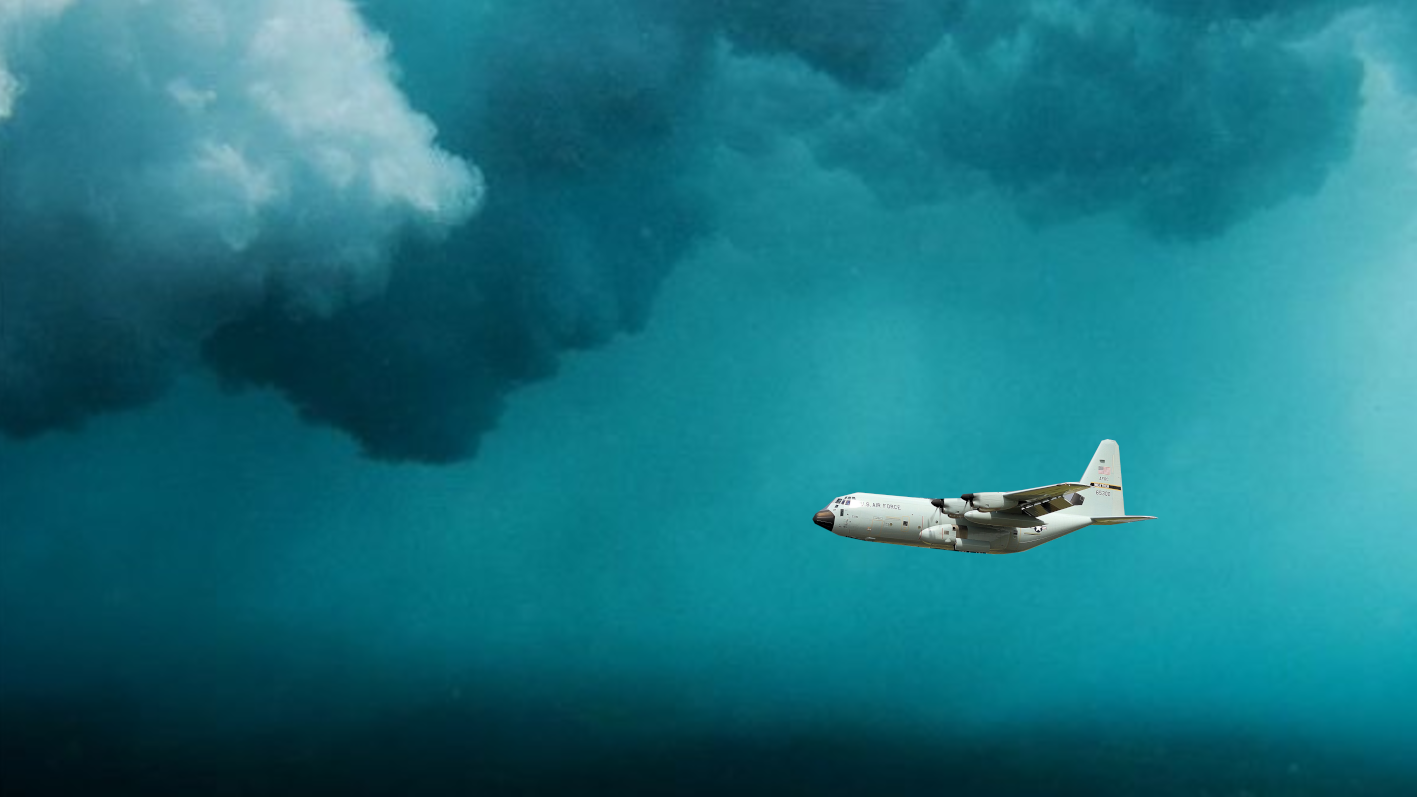
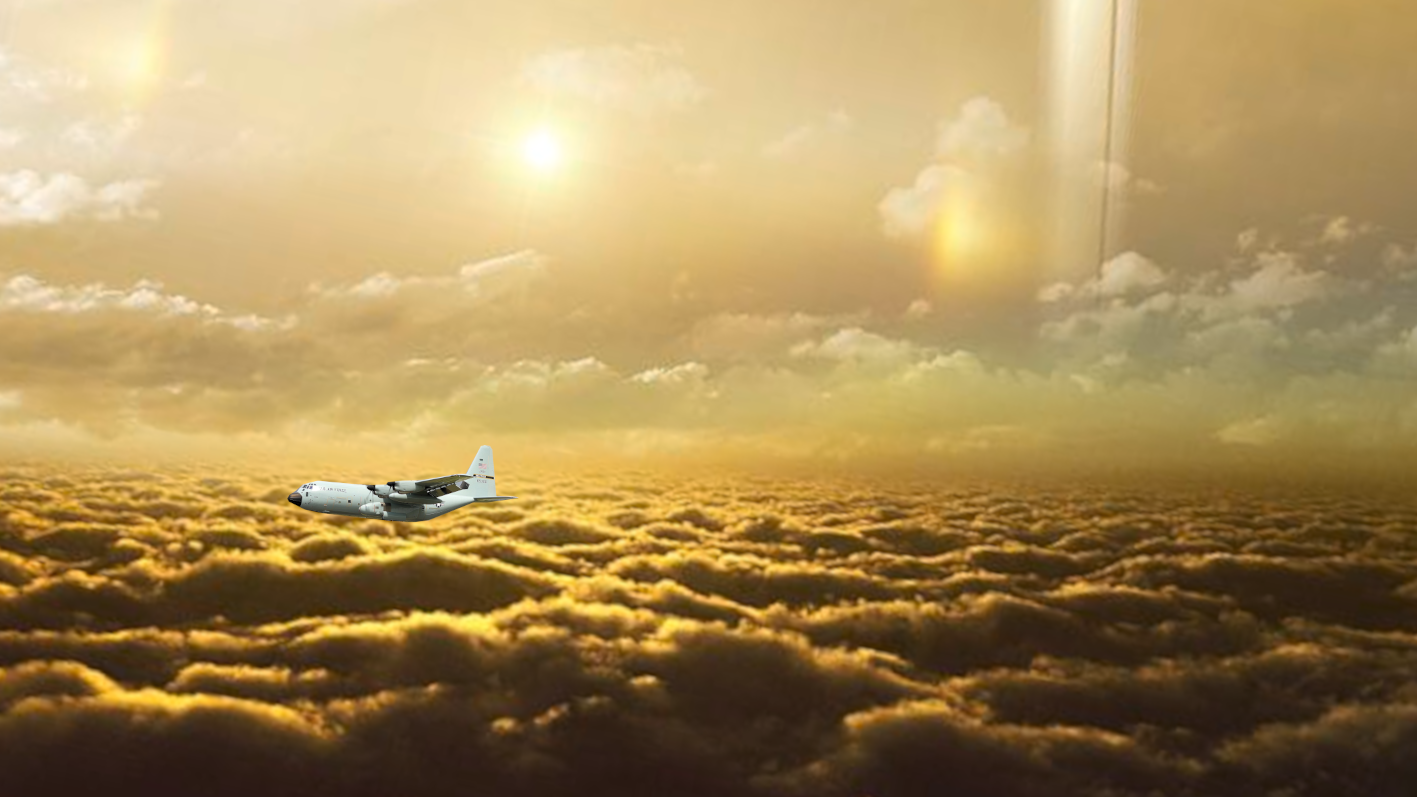
The Lockheed WC-130 is an American military plane designed to fly into the center of a hurricane. This will be our base plane for surviving the planets. We’ll redesign the walls to be lined with lead to block potential radiation rays, and add the thermal coating previously discussed. Here’s me on Uranus:
6. Saturn
Saturn is somehow orders of magnitude worse. The winds achieve speeds of up to 1,800 km/h, which is just absurd. We can try and super-reinforce our Lockheed, but it’s not looking good. Our only chance of survival is if we are teleported to a patch of the atmosphere where the storms are relatively tame. If we can fly with one long jet stream and not hit any vertical shear, we might be able to fly until we hit turbulence.
7. Neptune
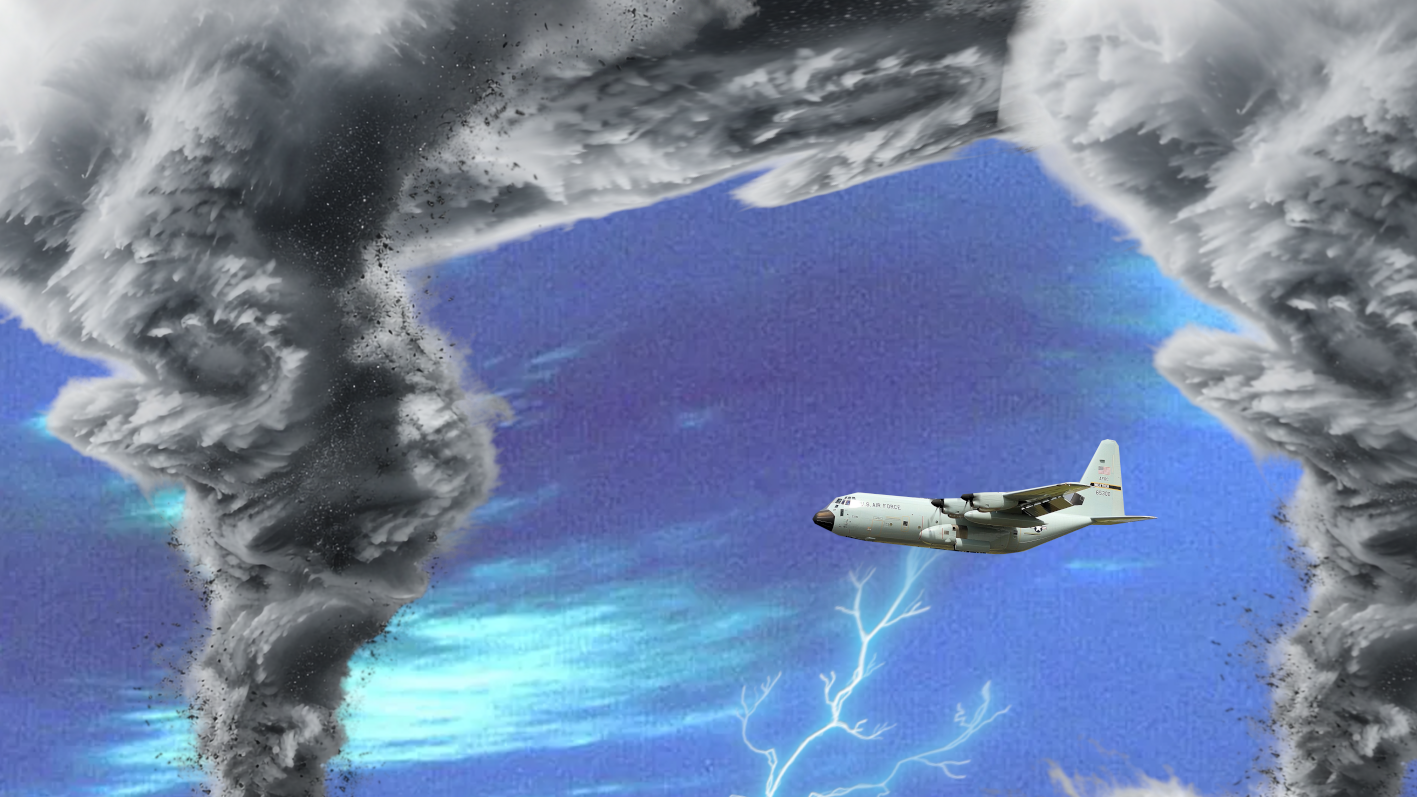
Not looking too good so far. Neptune has the strongest winds (2,200 km/h) and largest storms of any planet in the solar system. The good news is that gravity is only about 1.1g, which means we can still theoretically fly a plane. The bad news is that we don’t know of any potential plane wing material strong enough to withstand these atmospheric conditions. Winds on Saturn are almost as fast as Neptunes, but Saturn’s storms and cloud patterns are much less volatile. Neptune storms have constantly-shifting wind patterns which make flying much more difficult. Our plane will get torn apart within minutes of trying to exist in such extreme storm conditions.
8. Jupiter
We’re dead. Not only does Jupiter have immense storms with lightning as strong as atomic bombs that strikes around four times per second in some thunderheads, but the gravity is 2.4g: our plane isn’t staying in the air. The only possible solution is to try and add massive jet engines to our Lockheed to try and offset the massive differential. Oh, did I also mention the constant bombardment of extremely lethal radiation? Teleporting to the atmosphere of Jupiter would result in our contraption being immediately shredded by unbelievably turbulent winds, blasted by giga-lightning, and rapidly pulled to crush depths, probably in that order.
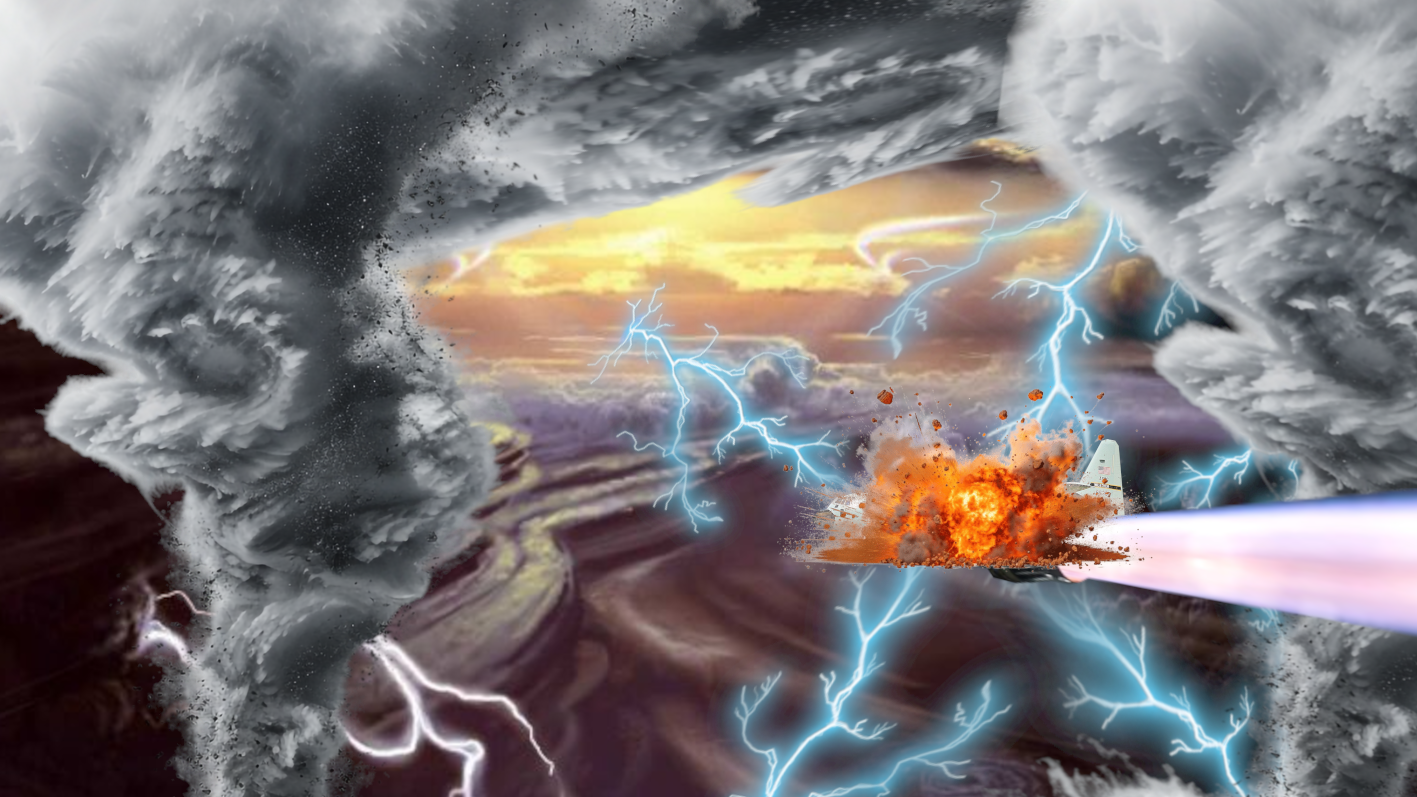
Don’t mess with Jupiter.
Conclusion
And there you have it. A definitive ranking of how easy each planet would be to survive for 24 hours. My main takeaway from all of this? Space is scary. Good thing we have Mother Earth.